
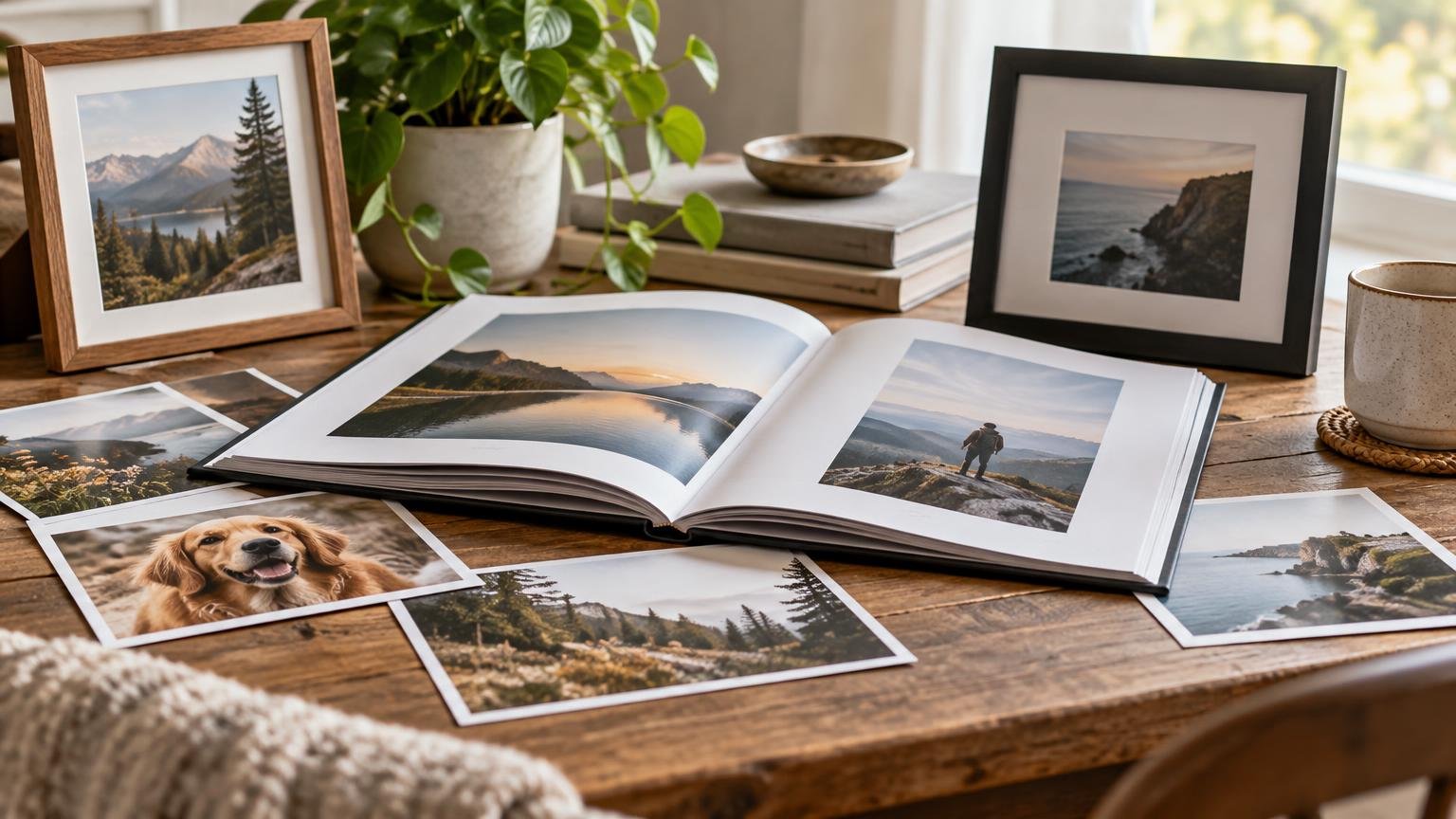
Photo Printing Reviews and Buying Guides
Compare photo-printing services, photo books and wall art, with practical guidance on size, finish, cropping, file preparation and total cost.
Make Better Print Decisions Before You Upload
Choosing a photo product involves more than finding a familiar service or selecting the lowest advertised price. The useful choice depends on what you are printing, where it will be viewed, the shape and dimensions of the image, and which options are included in the delivered cost. Photo Print Reviews helps photographers, families and gift buyers consider those details before committing important photographs to paper, a book or a wall display. The aim is not to make every order complicated, but to make the important tradeoffs visible early enough to act on them.
A meaningful comparison starts by making the options genuinely comparable. Print size, paper, finish, quantity, shipping charges, production timing and temporary promotions can all change the apparent value of an order. This publication covers those variables together rather than treating a headline price as the whole story. When prices are discussed, the useful question is what the same kind of order costs under clearly stated assumptions, including the selected format and delivery basis. That makes it easier to distinguish a low starting price from a lower total cost for the item you actually need.
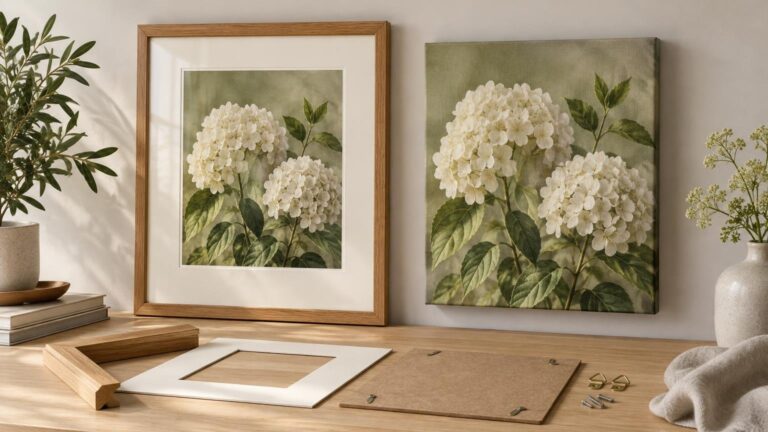
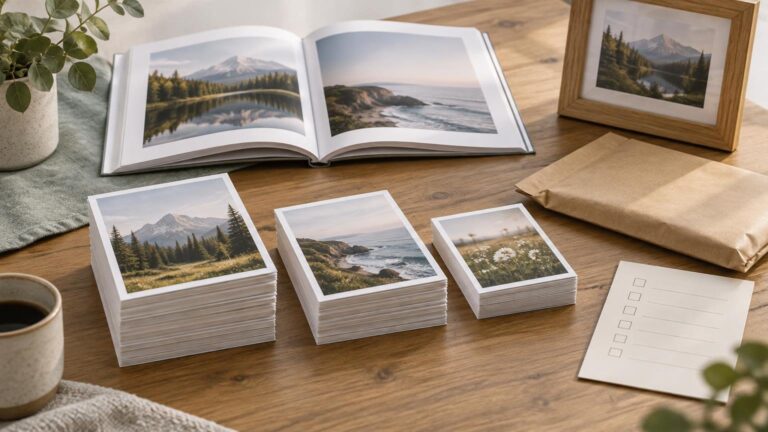
Format affects both appearance and practical use. A glossy print may emphasize contrast while reflecting nearby light; a lower-sheen surface can suit handling or framing differently. Photo books introduce decisions about binding, page construction, paper, spreads and the way images meet at the center fold. Wall art adds material, mounting, room scale and installation considerations. Coverage connects these characteristics to the photograph and intended setting, so readers can identify the compromises that matter instead of treating one format, surface or upgrade as universally preferable.
Preparing the file is equally important. An image can crop unexpectedly when its aspect ratio does not match the ordered print, and a file that looks bright on a backlit screen may look different when viewed as a reflective print. Guides cover resolution, dimensions, borders, file formats, color settings and automatic corrections in practical terms. The focus is on what to check before uploading: whether the crop serves the image, whether the chosen size fits the composition, and whether an ordering preview reveals a decision that should not be left to chance.
Photo Print Reviews also separates information a buyer can check from conclusions that need stronger evidence. Published service details, prices and policies are useful when current, while claims about print quality, color accuracy, durability or packaging need appropriate documentation before they can support a conclusion. Illustrative images can clarify a format, crop or display idea, but they do not show a vendor’s output. Keeping those distinctions clear helps readers use specifications and policies wisely without mistaking marketing language or a generic image for proof.
Latest Photo Printing Guides
From Screen Image to Finished Object
Printing turns a flexible digital image into an object with fixed dimensions, a particular surface and a specific viewing environment. That change creates decisions that are easy to miss while photographs remain on a phone or computer. A panoramic composition may need a custom ratio or a deliberate crop; a wall piece must work from across a room; a book sequence needs space for margins, folds and captions. This publication approaches those choices through the reader’s practical task rather than through specifications alone, because the most useful option depends on where and how the finished object will be used.
Cost comparisons deserve the same care. Two services can advertise the same nominal print size while differing in paper, finish, minimum quantity, shipping basis, included options or the point at which an offer ends. A discount may make one configuration attractive at a particular moment without establishing its usual value. Coverage therefore emphasizes normalized comparisons and complete assumptions. Readers can then see whether a difference comes from the product itself, a selected upgrade, the delivery arrangement or a temporary promotion, and decide whether that difference matters for their order.
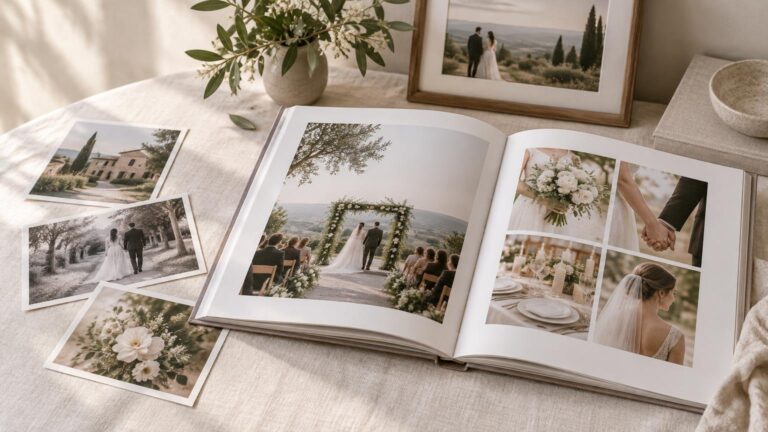
The intended use provides the clearest starting point. Everyday snapshots, portfolio images, family gifts, wedding keepsakes and large wall displays do not require identical materials, layouts or budgets. A premium option can be worthwhile when it solves a visible crop, binding, framing or placement problem, but less useful when it increases expense without improving the task at hand. Guides focus on the factors that separate a sensible choice from an unnecessary add-on, helping readers narrow the field without mistaking a long list of features for a recommendation.
Careful preparation cannot promise a particular result, yet it can prevent common ordering mistakes. Checking crop previews, confirming final dimensions, reviewing correction settings and understanding the selected surface all strengthen the decision before an order is placed. For books and wall art, planning image sequence, safe margins, orientation and placement in advance can reduce later compromises. These steps are manageable for first-time buyers and still useful for experienced photographers, especially when an image has an important subject near an edge or a display has limited space.
Photo Print Reviews covers the full print-buying process: selecting a service or format, preparing an appropriate file, comparing like with like and considering how to display or care for the finished piece. Browse by the decision in front of you, whether that means choosing paper, comparing photo book construction, sizing art above a sofa or storing loose prints. Start with the photograph’s purpose, intended size and display conditions; those three details make product and price comparisons substantially more useful.